Gel vs Regular Nail Polish vs Dip vs Acrylic: Which Should You Choose?

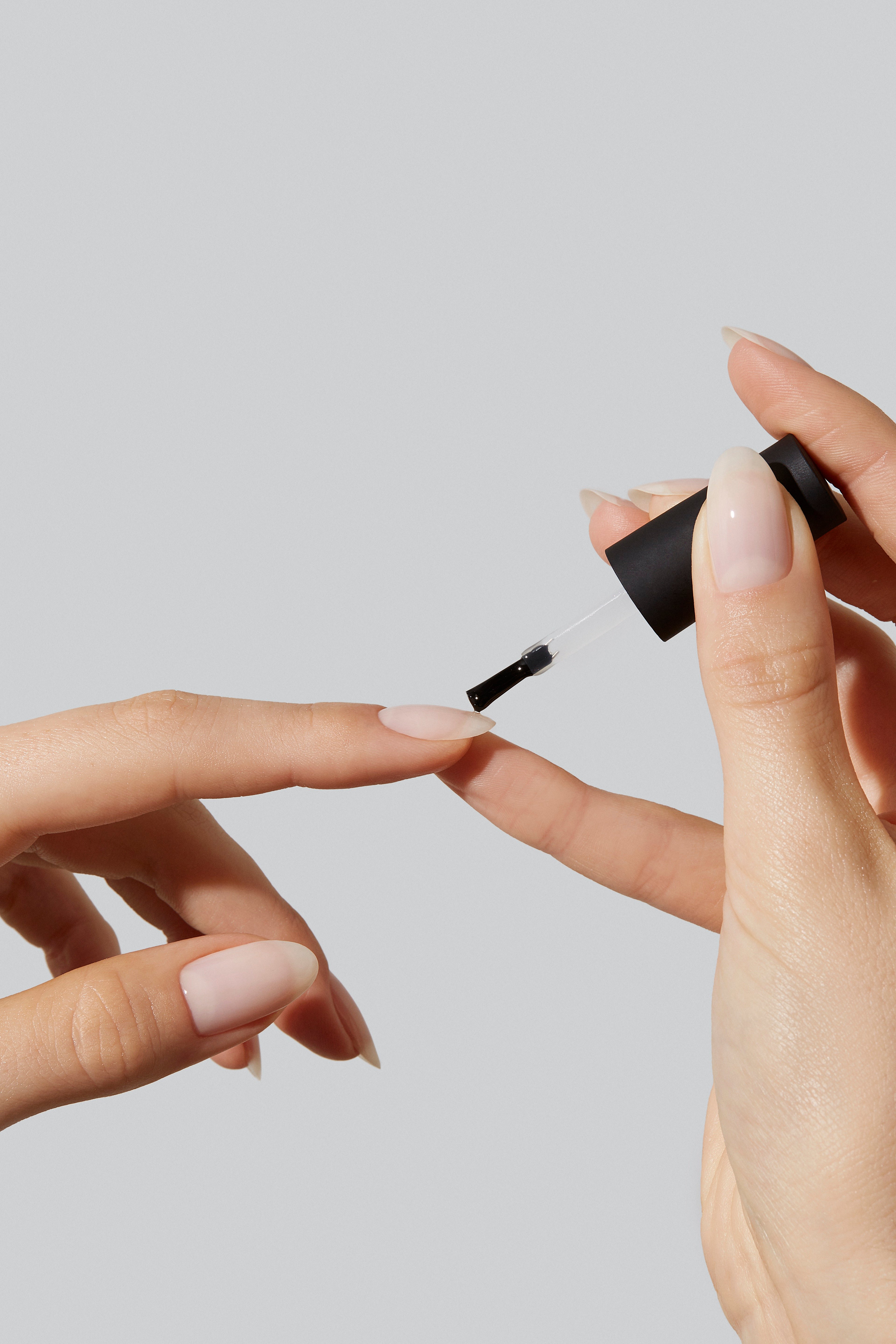
The short answer: regular polish is the gentlest and easiest to change but chips within days; gel polish gives two to three weeks of glossy, chip-free wear and removes cleanly with a 15-minute soak; dip powder lasts as long or longer but builds a thicker layer and is harder to remove well; acrylic is for extending length, not for everyday colour. For most people who want durable colour on their natural nails, gel is the sweet spot — which is why it has become the default both in salons and at home.
Here is how the four systems actually compare, without the marketing.
How do the four systems work?
- Regular polish: pigment in solvents that harden by air-drying. No lamp, no curing — and no chemical bond to the nail
- Gel polish: pigment in a resin that stays liquid until cured under an LED lamp, forming a hard, flexible, glossy film bonded to the prepped nail
- Dip powder: a resin glue (similar to cyanoacrylate) applied in layers with coloured acrylic powder, sealed with an activator
- Acrylic: a liquid monomer and polymer powder mixed into a paste that hardens by chemical reaction, usually to build length or structure
Which lasts the longest?
- Regular polish: 2 to 5 days before visible chips, up to a week with a good top coat
- Gel polish: 2 to 3 weeks; usually the regrowth gap, not chipping, is what ends the manicure
- Dip powder: 3 to 4 weeks, at the cost of a noticeably thicker nail
- Acrylic: 3 weeks and beyond with fills, as the sculpted nail grows out
Which is easiest to remove — and safest for your nails?
This is where the systems separate. Regular polish wipes off in seconds with remover. A quality soak-off gel comes off in 10 to 15 minutes with acetone, pads and foil — done gently, the natural nail underneath is untouched; the full method is in our removal guide. Dip and acrylic are thicker and more solvent-resistant: they demand long soaks plus filing, which is why they are most often removed (and damaged) in a rush.
No system damages nails when applied and removed correctly. In practice, damage correlates with how tempting it is to pick, peel, or rush removal — and thin, soak-off gel is the most forgiving of the durable options.
What does each system cost over a year?
Salon gel manicures typically run 45 to 70 dollars every two to three weeks — roughly 800 to 1,500 dollars a year. An at-home setup like the Gelcare Starter Kit is a one-time purchase around the price of two salon visits, after which each manicure costs only the fraction of a bottle you use. A gel bottle yields many manicures, so home gel users typically spend a few hundred dollars a year including new colours — most of it going to shades they actually chose.
Where each system wins
Choose regular polish if...
You change colours constantly, want zero commitment, or want to give your nails the simplest routine possible. Our lamp-free nail polish line shares pigments with our gel line, so you can keep signature shades in both formats.
Choose gel polish if...
You want salon-glass shine and two to three weeks of wear on your natural nails, with a removal you can do at home in 15 minutes. Explore the gel collection — every GELCARE shade is 10-free, vegan, and TPO-free, reformulated ahead of the EU's 2025 regulation.
Choose dip powder if...
You need maximum durability for hard-working hands and accept a thicker feel and a tougher removal. Be wary of shared dip pots in salons — hygiene matters with communal powder.
Choose acrylic if...
Your goal is added length or dramatic shapes. For colour on top, many technicians finish acrylic sets with gel polish anyway — the systems combine.
Frequently asked questions
Is gel polish bad for your nails?
No. Cured gel is inert; damage comes from peeling it off or over-filing. Prep gently, remove with a proper soak, and your nails stay healthy set after set.
Why does gel polish need a lamp?
Gel contains photoinitiators that start the hardening reaction only under specific light wavelengths. That is also why formulation matters: the EU banned the photoinitiator TPO in 2025, and all GELCARE shades are TPO-free.
Can I use gel and regular polish together?
Yes — a common routine is gel for the base weeks and a regular polish refresh for quick colour changes on top. Just remember regular polish remover will not remove the gel underneath.
What is the healthiest option?
The healthiest manicure is the one you remove properly. If you tend to pick at grown-out manicures, choose the system whose removal you will actually do right — for most people, that is gel or regular polish.